




 ·
8 minute read
·
8 minute read
In today’s performance-driven workplace, organizations can no longer rely on generic mentoring models. As employee expectations evolve and talent pipelines become more complex, mentoring program customization has emerged as a strategic requirement, not a luxury. Organizations that tailor their mentoring initiatives to specific learning needs, leadership competencies, and organizational goals consistently achieve stronger professional growth, higher employee retention, and measurable skill development.
This guide offers an in-depth, evidence-based exploration of how customized mentoring programs create impact, alongside best practices, industry frameworks, and a close look at how Qooper Mentoring Software delivers unmatched customization, AI-powered matching, and scalable program management.
The Strategic Importance of Mentoring Program Customization
Why Customization Matters More Than Ever
Organizations today operate across diverse teams, skill levels, and learning methods. Relying on traditional mentoring alone risks overlooking complexities like:
- Multi-generational expectations
- Hybrid and remote workforce needs
- DEI-driven development goals
- Varied skill gaps across departments
- Complex leadership development pipelines
A one-size-fits-all mentoring plan cannot serve high-potential employee mentoring, reverse mentoring, peer mentoring, group mentoring, youth mentoring, and career mentoring all at once. Customization ensures each program reflects the organization's culture, strategic direction, and mentoring needs.
Connection to Organizational Goals
Fully customized mentoring programs help strengthen:
- Succession planning pipelines
- Organizational learning systems
- Talent management systems
- Leadership development and executive coaching certification program needs
- Employee development across teams
- Job satisfaction and engagement metrics
- Diversity and inclusion objectives
When mentoring maps directly to strategic goals, leaders gain data-backed clarity on performance metrics and measurable outcomes.
Core Components of Mentoring Program Customization
Building a mentoring experience that actually drives growth, rather than becoming another HR initiative people forget about, requires thoughtful customization across several foundational elements. When these pieces are adapted to the organization’s culture, goals, and talent strategy, mentoring stops feeling generic and becomes a purposeful engine for development.
Matching Approaches and Criteria
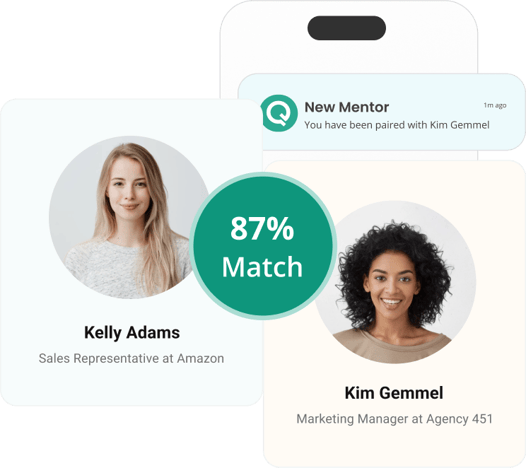
Strong partnerships don’t happen by accident. They’re shaped by the way organizations define and apply matching criteria, competencies, interests, learning goals, leadership readiness, personality traits, and even emotional intelligence. Modern programs rely on a blend of AI-driven analysis, rules-based logic, and tailored survey inputs to ensure mentors and mentees connect meaningfully.
Platforms like Qooper Mentoring Program Software take this a step further: its AI analyzes dozens of data points to surface compatibility insights instantly, removing guesswork and dramatically reducing administrative load. As a result, matches feel more aligned, and relationships start on a stronger foundation.
Program Models and Structural Variations
No two mentoring programs are identical, and they shouldn’t be. Associations, universities, nonprofits, and enterprise teams all require different structures. Some rely on classic one-to-one mentoring, while others thrive with reverse mentoring, group formats, peer networks, high-potential tracks, or diversity-driven programs.
A customized approach defines clear timelines, expectations, and success metrics for each model. When structure fits the needs of the audience, participation increases and outcomes become more predictable.
Customized Manuals and Training Resources
Even the best match will fall flat if participants aren’t prepared. This is where customized training materials come in, mentor playbooks, coaching skills workshops, emotional intelligence checkpoints, eLearning modules, communication templates, and self-reflection guides.
These resources equip mentors and mentees with the confidence and tools to build trusting relationships. Qooper’s learning & consulting capabilities supplement this with curated knowledge libraries and guided implementation, ensuring participants know how to succeed, not just what to do.
Technology Infrastructure
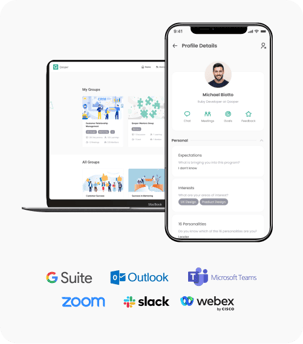
A mentoring program is only as strong as the system supporting it. Customizable digital infrastructure allows organizations to integrate mentoring with their existing learning management systems, collaboration tools, and talent development stack.
Qooper’s technology ecosystem supports SSO, workflow customization, LMS syncing, nudges, calendar integrations, custom prompts, and role-based access, all designed to unify mentoring with the broader development experience. When technology feels seamless, engagement becomes easier and more consistent.
Best Practices for Mentoring Program Customization
To guide administrators toward effective customization, here’s a streamlined overview of the core practices, paired with how Qooper enables each one.
| Best Practice | How Qooper Enables It |
|---|---|
|
Base the program on research and data |
Analytics dashboards, self-assessments, competency tracking, evidence-based recommendations |
|
Build a structured program plan |
Customizable templates, automated workflows, role-specific onboarding paths |
|
Align mentoring with leadership competencies |
Competency-based plans, leadership pathways, customizable learning journeys |
|
Support multiple learning and mentoring models |
Flexible workflows, activity libraries, LMS syncing, learning modules |
|
Leverage automation and integrations |
Integrations with HRIS, LMS, Teams/Slack; automated nudges and guided agendas |
|
Establish continuous evaluation loops |
Surveys, dashboards, meeting-quality analytics, readiness indicators |
1. Ground the Program in Research and Data
Effective customization starts with understanding what the organization actually needs—leadership gaps, skill shortages, and workforce learning patterns. Drawing on research from leading institutions and benchmarking against external frameworks ensures mentoring isn’t shaped by guesswork.
Qooper supports this evidence-based approach through analytics dashboards, self-assessment tools, and competency tracking, allowing administrators to build programs on real data and research-backed methodologies.
2. Build a Clear and Structured Program Plan
Strong mentoring programs rely on structure, objectives, timelines, matching processes, communication flows, and evaluation metrics. When these elements are defined upfront, everyone involved knows what to expect and how to succeed.
Qooper makes this easier with customizable program templates, automated workflows, and role-specific onboarding paths that keep the entire structure consistent across cohorts and departments.
3. Align Mentoring With Leadership Competencies
Customization matters most when it reinforces the organization’s talent strategy. Rather than generic advice, mentoring should intentionally build communication, strategic thinking, emotional intelligence, and other leadership competencies.
Qooper enables competency-based plans and personalized learning pathways so that every mentoring touchpoint supports measurable development goals.
4. Build Flexible Learning Paths for Multiple Mentoring Models
Modern organizations rarely rely on a single mentoring model. Employees benefit from a mix of peer mentoring, reverse mentoring, group formats, project-based interactions, and high-potential tracks.
Qooper supports this diversity with tailored workflows, activity libraries, eLearning modules, and LMS integrations, ensuring each model can be executed with structure and consistency.
5. Integrate Technology and Automation
Technology keeps mentoring running smoothly while reducing administrative burden. Integrations with collaboration platforms, talent systems, and communication tools help mentoring become a natural part of daily workflows.
Qooper’s automated nudges, guided meeting agendas, and integrations with tools like Teams, Slack, and Microsoft 365 enhance engagement and reduce manual effort.
6. Establish Continuous Feedback and Evaluation
Customized programs evolve through ongoing feedback. Insights from mentors, mentees, program owners, and managers ensure activities remain relevant and effective.
Qooper provides built-in surveys, analytics dashboards, competency tracking, and progress reports that help administrators measure program health and adjust strategy continuously.
How Qooper Mentoring Software Enables Complete Customization
Customization is only powerful when the technology behind it can flex to match the organization’s structure, culture, and development strategy. Qooper is designed specifically for this level of adaptability, giving administrators complete control over how their mentoring programs operate, scale, and evolve.
Flexible Program Architecture
Qooper allows organizations to design mentoring programs that fit their unique development goals, whether they’re building leadership pipelines, supporting early-career talent, driving DEI initiatives, or enabling cross-functional knowledge sharing. Administrators can define program types, set participation rules, customize matching workflows, and structure timelines to reflect their internal processes.
Advanced Matching Engine
Qooper’s AI-powered matching system uses dozens of data points, including competencies, interests, goals, behavioral traits, and development focus areas, to create high-quality mentor-mentee pairings. Settings can be fully adjusted: from rule-based matching to custom survey questions, weighting systems, and even manual override options for niche use cases.
Configurable Learning & Training Resources
Organizations can tailor mentor training, create competency-based learning paths, and integrate internal knowledge resources. Qooper supports custom eLearning modules, curated content libraries, self-assessment tools, and guided implementation materials, ensuring every participant receives the right level of preparation and support.
End-to-End Workflow Customization
From onboarding flows to meeting agendas, nudges, check-ins, and evaluation cycles, every interaction can be shaped to match the organization’s preferred mentoring style. Administrators can adjust activity libraries, set automated reminders, customize prompts, and build structured touchpoints that reinforce program consistency.
Seamless Integrations and System Alignment
Qooper integrates with the systems organizations already use, LMS platforms, HRIS, Microsoft Teams, Slack, Google Workspace, and SSO providers, allowing mentoring to fit naturally into daily workflows. Customizable data syncing ensures progress, competencies, and engagement metrics become part of the wider learning and talent strategy.
Check out Qooper Mentoring Software integrations and more!
Analytics-Driven Optimization
Customization doesn’t end after launch. Qooper’s analytics dashboards, feedback surveys, competency tracking, and progress reports provide continuous insight into program performance. Administrators can refine matching rules, adjust program structures, update learning content, and evolve mentoring strategies based on real-time participation and impact data.
Strategic Advantages of Customized Mentoring Programs
Customized mentoring programs offer far more than convenience; they serve as a core lever for organizational development, culture building, and long-term talent sustainability. When designed with precision and implemented through an adaptable platform like Qooper Mentoring Software, customized mentoring becomes a transformational driver for employee development and organizational excellence.
Stronger Employee Relationships
Customization enables organizations to create mentoring structures that reflect their culture, communication style, and leadership values. Rather than forcing mentors and mentees into rigid templates, tailored programs account for differences in learning methods, emotional intelligence, leadership readiness, and preferred coaching styles.
This level of personalization fosters:
- Higher trust and psychological safety in mentoring conversations
- Open communication channels that encourage honest dialogue
- Stronger mentor-mentee rapport, especially in diverse or cross-functional partnerships
- Deeper engagement because participants feel the program was built for them, not at them
Qooper strengthens these relationships by offering:
- AI-powered matching based on personality, development goals, and leadership competencies
- Guided meeting agendas and customizable discussion prompts
- Communication tools integrated with Microsoft Teams, Google Workspace, and Slack
- Progress tracking with shared tasks, notes, and milestones
This ensures that every partnership begins with compatibility and continues with structure, clarity, and meaningful engagement.
Greater Job Satisfaction and Employee Retention
Employee retention is directly influenced by whether individuals feel supported, valued, and able to advance in their careers. Customized mentoring programs connect talent with the exact resources, people, and pathways they need—reducing frustration, ambiguity, and disengagement.
Tailored mentoring enables:
- Clear visibility into professional growth pathways
- Personalized development plans aligned with career advancement
- Targeted skill-building for emerging leaders and high-potential employees
- Development rooted in a sense of belonging, support, and shared purpose
When employees see their career aspirations reflected in their mentoring journey, they are significantly more likely to remain committed to the organization.
Qooper enhances retention through:
- Personalized learning journeys integrated with LMS content
- Automated development pathways designed around role expectations and competencies
- Leadership and coaching modules to prepare employees for future roles
- Dashboards that visualize growth, achievements, and milestones
By linking mentoring with real, measurable progress, Qooper turns retention into a predictable, manageable outcome, not a guessing game.
Enhanced Organizational Development
Customized mentoring programs influence organizational development at scale by addressing systemic needs and supporting enterprise-wide learning initiatives. When mentoring aligns with organizational goals, it becomes a vehicle for:
- Cross-functional collaboration, reducing departmental silos
- Knowledge transfer, preserving institutional memory
- Organizational learning, supported by evidence-based frameworks
- Team-based development, including peer mentoring, group mentoring, and project-based mentoring
- Diversity and inclusion, through tailored mentoring models
Customization ensures each department gets a program that reflects its challenges, competencies, and workforce dynamics.
Qooper strengthens organizational development through:
- Multi-program management for HR, ERGs, leadership academies, and talent pipelines
- Competency-based development frameworks
- Real-time analytics that highlight strengths, gaps, and readiness levels across teams
- Guided implementation tools that align mentoring with organizational priorities
- Support for hybrid, global, and multicultural teams
With Qooper, mentoring becomes an integrated part of the organization’s talent strategy and long-term leadership pipeline.
Higher Program Quality and Consistency
Mentoring quality often varies widely without structure, guidance, and monitoring. Customized mentoring programs ensure every participant receives a consistent, evidence-based experience backed by clear expectations and ongoing support.
This includes:
- Standardized meeting templates
- Tailored goal-setting frameworks
- Customized engagement rules
- Aligned learning resources
- Performance metrics tied to measurable outcomes
- Structured evaluation cycles through surveys, pulse checks, and coaching assessments
Customization allows administrators to refine the program over time, using data rather than assumptions.
Qooper elevates program quality with:
- Automated nudges, reminders, and recommended actions
- Customizable templates for agendas, goals, and development activities
- Real-time program audits with participation dashboards
- Multi-level feedback mechanisms (mentor, mentee, manager, HR)
- Activity libraries backed by research from leading development institutions
As a result, the program remains consistent, scalable, and aligned with evidence-based mentoring approaches from organizations like Education Northwest, McLean & Company, and the National Mentoring Center.
Key Takeaways
- Mentoring program customization is essential for aligning development initiatives with organizational goals.
- Customized mentoring enhances leadership development, succession planning, and talent retention.
- Flexible models, reverse mentoring, peer mentoring, group mentoring, require adaptable technology.
- Evidence-based frameworks and analytics drive consistent improvement.
- Qooper Mentoring Software delivers unmatched customization, AI-powered matching, LMS integration, and enterprise-grade program management.
Conclusion: Why Qooper Is the Premier Solution for Mentoring Program Customization
Organizations aiming for impactful leadership pipelines, efficient knowledge transfer, and measurable professional development require fully customized mentoring experiences. Mentoring program customization transforms mentoring from a supportive initiative into a strategic driver of organizational development and long-term success.
With intelligent automation, evidence-based workflows, customizable content libraries, and AI-powered matching, Qooper Mentoring Software stands as the industry’s most comprehensive platform for designing, scaling, and optimizing mentoring programs across all contexts—from enterprise workforce development to youth mentoring and organizational learning.
To build a mentoring program that truly reflects your organization’s strategic vision, explore Qooper or request a demo today.
Frequently Asked Questions (FAQ)
1. What is mentoring program customization?
It is the process of tailoring mentoring structures, matching strategies, learning paths, communication tools, and program workflows to align with organizational goals, mentoring needs, and measurable outcomes.
2. Why is customization essential in modern mentoring programs?
Workforces are diverse, multi-generational, and skill-diverse. Customization ensures mentoring aligns with leadership development, diversity and inclusion, and talent management strategies.
3. How does Qooper support mentoring program customization?
Qooper provides fully configurable workflows, AI-powered matching, custom LMS-integrated learning journeys, analytics dashboards, role-based access, and templates for every mentoring model.
4. What matching strategies are most effective?
The best approaches combine AI-powered matching, competency-based criteria, personality indicators, emotional intelligence checkpoints, and strategic alignment with program goals.
5. How do customized mentoring programs improve measurable outcomes?
They create structure and accountability, leading to improved progress tracking, higher engagement, increased retention, and stronger leadership pipelines.
.webp)
%20(1)-2.png)
%20(1)%20(1).webp)